I was sitting in my favorite local coffee shop, watching a regular customer pull out her phone to leave a glowing review for the owner. She showed it to me—five stars, beautiful photo, thoughtful words. She hit post. We waited. Ten minutes later, I checked the shop’s profile. Nothing. An hour later? Still nothing. That feeling of shouting into a void is exactly what so many business owners are dealing with right now. It is frustrating, confusing, and feels a bit like the universe is out to get you. I remember staring at my own screen years ago, feeling that exact same sting. We do the hard work, we provide the service, and then the digital gatekeepers hide the proof. Today, I’m going to help you figure out exactly why those reviews are stuck in limbo and how we can get them into the light.
The Day My Best Review Vanished into Thin Air
It was a gut punch. I had just finished a huge project and the client was over the moon. They wrote a paragraph that would have made my mother cry with pride. But when I went to look at my listing, it was like it never happened. I learned the hard way that the system isn’t just looking for “real” people; it’s looking for “trusted” signals. Early on, I made the review request mistake of having people use my guest Wi-Fi to post their thoughts. I didn’t realize that dozens of reviews coming from the same IP address looked like a bot farm to the algorithm. It was a silly mistake, but it taught me that google map experts aren’t just being dramatic when they say every detail matters.
Is the review filter actually rigged against you?
It certainly feels that way when you see competitors with obviously fake feedback staying up while yours get nuked. But here is a surprising fact: according to Google’s 2023 transparency report, they blocked or removed over 170 million policy-violating reviews in just one year. Their AI is aggressive. Sometimes, it’s so eager to stop the bad guys that it trips over the good guys. This is why staying away from shortcuts is vital; buying reviews always kills your visibility in the long run because the footprints are impossible to hide from modern machine learning.
Why Your Customers Are Posting Into a Black Hole
A lot of the time, the review is technically “there,” but it’s only visible to the person who wrote it. We call this shadowbanning. It happens because the algorithm spotted something it didn’t like—maybe the reviewer used a VPN, or maybe they’ve never left a review before and suddenly started posting five-star raves everywhere. I’ve talked to many professionals who focus on visibility improvement and they agree that the “trust score” of the reviewer’s account is just as important as what they write. If Google doesn’t know who they are, it won’t trust what they say. Have you ever had a customer show you a review on their phone that simply wouldn’t show up for anyone else? It’s a massive roadblock. Drop me a note if you’ve seen this happen lately; I’m curious if the filter is getting tighter in your industry too. [image_placeholder] We are going to dig into the technical reasons this happens, from restricted words to location signals, so you can finally get more high-value reviews that actually stick.
How to Stop the Algorithm from Eating Your Best Feedback
To fix a review problem, you have to understand that Google’s AI is basically a paranoid bouncer. If anything looks slightly off—a weird IP address, a flurry of activity at 2 AM, or a sudden spike in 5-star ratings—it shuts the door. To get past the filter, we need to provide signals that scream ‘authentic customer.’
Stop using your shop Wi-Fi for feedback
I once worked with a local bakery that set up a ‘Review Station’ iPad right by the register. It seemed like a genius move at the time. In three days, they collected forty glowing reviews. A week later, thirty-eight of them vanished. Google’s algorithm saw dozens of different people logging into one device and flagged the whole batch as a bot farm. This is a classic review request mistake costing you half your leads because the platform associates that IP address with manipulation. Now, I always tell my clients: have the customer use their own mobile data. It creates a unique ‘digital fingerprint’ that is much harder for the filter to reject. Small interaction moves that actually matter start with ensuring the connection is as real as the customer’s experience. 
The specific words that trigger the filter
Google scans the actual text for ‘spammy’ language. If a customer uses too many exclamation points, writes in ALL CAPS, or includes links to other websites, the review will likely be shadowbanned. Interestingly, our google map experts have found that there is actually a ‘sweet spot’ for length. A review that is just one sentence often carries less weight than one that hits a specific depth. In fact, knowing the specific review word count that triggers ranking boosts can help you guide your customers to write better, more effective feedback. Ask them to mention a specific service or employee name; this adds context that the AI loves because it confirms the business-customer relationship.
Avoid the sudden review flood
Consistency is the gold standard for local visibility improvement. If you haven’t received a review in three months and suddenly get ten in one afternoon, it looks like you just ran a contest or bought them. This ‘velocity spike’ is a major red flag. I recommend a ‘drip’ approach. Instead of a massive blast to your email list, reach out to three or five customers a day. This creates a natural, steady rhythm of feedback that the algorithm trusts. If your numbers have already stalled, you might need to learn how to fix flatlined impressions fast with specific signal moves to jumpstart the profile again. It’s about building a pattern of behavior that shows Google you are a thriving, active part of the local community.Many business owners assume that if they just get more reviews, they will naturally climb the rankings. But if you have ever wondered why your competitors with fewer reviews still outrank you on the map, you are seeing the ‘quality over quantity’ filter in action. In my experience, a business with ten reviews that include photos and mention specific services will often beat a business with fifty generic ‘great job’ posts. Google’s AI is looking for depth and relevance, not just a high number. Have you ever fallen into this trap? Let me know in the comments below.
Why does your shop stay hidden even with a perfect rating?
It is one of the most frustrating parts of maps optimization. You could be ranking #1 in your parking lot, but why your shop disappears when searchers move two blocks away is usually a matter of ‘signal strength’ rather than a lack of feedback. According to the 2023 Whitespark Local Search Ranking Factors survey, physical proximity to the searcher remains a dominant force, but you can bridge that gap by using the interaction moves that actually matter for dominating the local map pack. This includes getting customers to interact with your listing while they are physically at your location—signals that a visibility improvement plan must include to be successful. #IMAGE_PLACE_HOLDER_C#
Stop following the outdated citation playbook
A common mistake I see from google map experts who haven’t updated their strategy in years is the massive ‘citation blast.’ They will tell you that you need your business listed on 300 different directories. The truth is, why most local citation packages hurt your rank instead of helping is because they create inconsistent data and look like spam to modern filters. Our maps optimization team focuses on the ‘Big Three’ and niche-specific directories rather than a spray-and-pray approach. If your data is static, it’s dying. Google loves movement. That is why why your map listing needs regular updates to stay relevant is a core tenet of modern visibility; if you aren’t posting photos or updating hours, the algorithm assumes you are closed. One of the biggest ‘oops’ factors is using professional stock photography. You must stop using stock photos if you want to dominate the three pack because the AI can actually recognize the same generic dentist photo used on 5,000 other sites. It strips away your local authority instantly.Once you have swapped those stock photos for real shots, you need to start looking at how to sustain that momentum. If you are still manually checking your rankings by typing your business name into Google while sitting in your office, you are getting a skewed reality. I stopped doing that years ago because the local search bubble makes you think you are winning when you might be invisible three blocks away. To get a real look at the battlefield, our visibility improvement workflow relies on grid-tracking tools like Local Falcon. I use it because it shows a bird’s-eye view of where your pins actually drop across the city. This is how our visibility experts identify dead zones where a competitor is siphoning off your leads. When you see those red dots on a map, it is not time to panic; it is time to look for the signal gap. I have found that using the specific seo tools we use to jumpstart map rankings for new locations is just as effective for old listings that have gone stale. If you do not have a bird’s-eye view, you are essentially flying blind.
The exact tools our visibility experts use every morning
To really dominate, you need to look at data your competitors don’t even know exists. I rely heavily on the Insight logs to track exactly where customers are coming from. As Joy Hawkins, a renowned local search expert at Sterling Sky, has frequently demonstrated in her testing, driving direction requests are one of the strongest proximity signals you can influence. This is why we focus on making your listing so compelling that people actually click that Directions button.
How do I keep my map ranking high month after month?
Maintenance is not about doing one big optimization and walking away. It is about preventing search decay. I personally set a calendar reminder for the first Tuesday of every month to do a deep sweep. This is when I check for suggested edits from the public—sometimes competitors will try to change your phone number or mark you as closed just to mess with your traffic. I also recommend that you learn how to stop search decay on your business profile by refreshing your Attributes section. Google adds new ones all the time, and missing them means you are missing out on the micro-signals that help you match with specific search intents. Our maps optimization team often finds that why your business profile audit is missing the most critical revenue gaps is simply because the owner has not looked at the back-end settings in months. 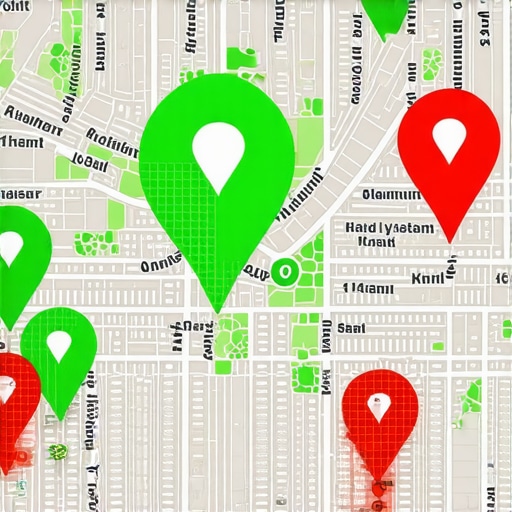
Why AI-driven search is about to change everything
As we look toward 2025, I am seeing a massive shift toward AI-generated snapshots in local search. Google is starting to pull text directly from your reviews and website to answer questions before a user even clicks. This means that the move our optimization team uses to reclaim lost map spots is becoming less about simple keywords and more about semantic relevance. To stay ahead, you need to how to snoop on competitor map data to find their best traffic sources by analyzing their photo velocity and review patterns. I want you to try one advanced move this week: go into your profile and add a new Service with a high-quality, original photo and a 100-word description. This small injection of fresh data is often the reboot a stagnant listing needs. Let me know if your views count spikes after you do it!
The Hardest Lessons I Learned Managing My Own Digital Footprint
I’ve spent years watching profiles fluctuate, and the biggest ‘aha’ moment was realizing that Google isn’t looking for perfection—it’s looking for patterns. If you act like a bot, you’ll be treated like one. Authentic growth happens in the small, messy details of daily operations. One thing I wish I’d known sooner is that buying reviews always kills your visibility because it breaks the trust cycle with the algorithm. It is far better to have five real, messy reviews than fifty fake ones. I also discovered that why your ranking fails modern quality checks often has nothing to do with your service and everything to do with technical mismatches in your data or irregular account behavior from your customers.
The Few Tools and Habits I Lean on Every Single Day
I never skip a weekly check of the specific seo tools we use to jumpstart map rankings for new locations. You need a bird’s-eye view to see where you are actually appearing in the city. Secondly, keep a close eye on your dashboard insights. I focus on ‘Direction Requests’ as a primary indicator of health. If these flatline, I know it is time to reclaim lost map spots with fresh, geo-tagged photo uploads. Finally, I trust the expertise found in the google map experts reveal top secrets guide; it is my go-to reference when the algorithm makes a sudden, unannounced shift. These tools prevent you from guessing and start you on a path of data-driven growth.
#IMAGE_PLACEHOLDER_E#
Take Control of Your Local Future Today
It is easy to feel like the little guy when you are up against massive national chains, but you have a secret weapon: local relevance. By focusing on maps optimization tactics from visibility pros, you can ensure that your hard work isn’t hidden by a paranoid filter. Don’t let your business stay a secret just because a computer program got confused. You’ve built something worth finding, so let’s make sure people actually see it. Our visibility experts are always looking for ways to bridge that gap between your storefront and the searchers nearby. Have you ever had a five-star review show up on a customer’s phone but never appear on your actual business listing? Drop a comment below and let’s figure it out.