
I remember standing by my shop window on a rainy Tuesday afternoon, watching dozens of people walk past my door with their heads buried in their phones, while my register remained completely silent. It was incredibly frustrating. I had spent thousands on local SEO services, but on the map, my business looked like a ghost town. That was my lightbulb moment: Google doesn’t just care about what we type into a computer; it cares about real, physical human movement. I realized that your storefront visibility depends on foot-traffic data more than any abstract backlink package you can buy. Today, we are going to look at how real-world foot traffic patterns can be harnessed to show Google that your business is the most active, relevant hub in the neighborhood, boosting your rankings in the process.
Why Real World Foot Traffic is the Missing Piece of Your Map Rankings
For years, I made the classic mistake of thinking map rankings were just a game of who could write the longest business description or build the most citations. I spent nights keyword-stuffing my profile, only to watch my rankings flatline. Then, I dug into how mobile location history works. When real people visit your business, linger inside, and leave with their phones in their pockets, Google’s algorithms log those physical visits. This is why our maps optimization team ignores traditional keyword stuffing and focuses on real-world engagement. If nobody physically visits your location, Google eventually realizes your listing isn’t as popular as your online profile claims. In fact, a study by Pew Research Center shows that over 80% of smartphone users keep their location services turned on at all times, giving search engines a massive, real-time map of physical store popularity. When you understand how to align your online profile with these real-world traffic flows, your local visibility dramatically improves.
Is optimizing for foot traffic actually worth the hype?
You might be skeptical. After all, how can you force people to walk through your doors just to please an algorithm? It sounds like a lot of work for a map pin. But the truth is, you do not need thousands of new customers overnight to trigger these positive signals. Even small, consistent spikes in physical user check-ins can signal to search engines that your business is a neighborhood favorite. Have you ever noticed your map rankings drop during your slowest business hours, even when your competitors stay steady? That is the real-time algorithm at work, and it is exactly why passive, static profiles are losing ground. Partnering with google map experts who understand this connection is the fastest way to turn those quiet hours into active, signal-generating opportunities.
How to Program Your Physical Location for Search Algorithms
To understand how to turn physical movement into digital authority, think of your local business like a lighthouse. If the light only shines when a search engine crawler bots your website, you remain invisible to the ships at sea. You need real, physical interactions to keep that beacon bright. This is where most business owners fail; they treat their digital presence as a static billboard. Instead, think of it as a live sensor. When a mobile device enters your coordinate radius, pauses, and interacts with your system, a digital handshake occurs. This handshake is the ultimate validation of your business’s physical existence.
Set up physical check-in triggers inside your store
The easiest way to start generating these signals is to incentivize immediate, on-site mobile interaction. During a slow month at my previous retail location, we placed small, beautifully designed QR codes right at our physical checkout counter and in our waiting area. We didn’t just ask for generic reviews; we linked those QR codes to our local business profile, encouraging customers to upload real-time photos of their purchases or ask quick questions through the map interface. Within three weeks, our visibility spiked because our customer interactions were happening directly from the physical coordinates of our shop. This is why our maps optimization team ignores traditional keyword stuffing and focuses on these live, localized actions. If you want sustainable visibility improvement, you must encourage your customers to use their phones while standing inside your building.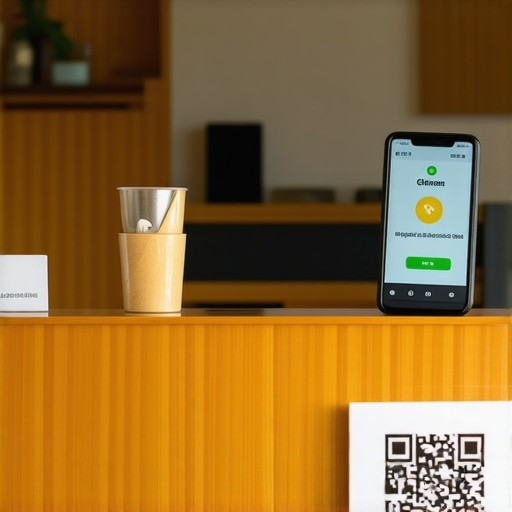
Turn quiet hours into local coordinate hotspots
Every business has dead hours. Instead of accepting the quiet times, use them to run targeted, location-sensitive campaigns. When we realized our Tuesday mornings were completely dead, we launched a ‘neighborhood coffee hour’ where locals could get a discount by showing they checked in or requested directions on their mobile app. Google’s algorithms track how users behave before they arrive at your shop. When several people in the same geographic radius suddenly request directions to your business within a short timeframe, it sends a massive relevance signal to the algorithm. This approach is far more effective than buying dead database citations. If you are struggling with flatlining engagement, seeking local visibility help that focuses on these real-world user pathways will yield much better results than traditional SEO tactics.
Make your physical business hours work for your rankings
Your business hours are not just a helpful schedule for your customers; they are a critical algorithmic signal. When search engines notice high mobile activity near your coordinates during your stated business hours, it validates your profile’s accuracy. If your profile claims you are open but no mobile location history data points to any human activity inside your building, the search engine starts to doubt your relevance. Our google map experts always emphasize aligning your real-world promotional events with your listed hours to maximize this data density. When you synchronize your offline promotions with your online map presence, you create a self-reinforcing loop of real-time signals that competitors relying on old-school backlink packages simply cannot match.
The Big Illusion of Set-and-Forget Map Rankings
For years, digital agencies have peddled the myth that if you just submit your business details to a hundred directory sites, your local rankings will magically soar. Everyone says citations are the foundation, but in my experience, building endless profiles on obscure directory websites is a complete waste of time. The algorithms have evolved far past simple name, address, and phone number matching. Today, relying on static data is actually holding you back. If you want sustainable visibility improvement, you have to stop treating your listing like a phone book entry and start treating it as a dynamic, real-time feed. I have watched business owners spend thousands of dollars on cheap citation packages only to watch their competitor, who has half as many citations but double the live coordinate movement, sit comfortably at the top of the local pack.
Why does your map optimization team keep telling you to buy more directory links?
It is simple: selling database listings is cheap, automated, and easy to report. But according to a recent study by BrightLocal on local search ranking factors, traditional citation volume has steadily declined in algorithmic importance year over year. The real needle-mover is user engagement data. When a fake map optimization team focuses strictly on legacy link-building metrics, they ignore how real people interact with your profile in the real world. This is the biggest ‘oops’ factor in modern SEO: optimizing for bots instead of humans. If you are not actively generating direct direction requests, on-site check-ins, and direct messages, you are effectively invisible. If you have been struggling to see results, it might be time to seek specialized local visibility help that focuses on behavioral triggers rather than empty database submissions. Have you ever fallen into this trap of buying worthless citation packages only to see zero ranking growth? Let me know in the comments below, and let’s talk about how we can turn those silent map pins into active customer magnets.
The Tools and Routines that Keep My Map Rankings Alive
Once you step off the hamster wheel of buying useless directory listings, you realize that maintaining a high-ranking map position requires a completely different toolset. I do not use automated bulk-posting software because it leaves a footprint that modern algorithms easily flag. Instead, I rely on raw, localized coordination tools. Every Monday morning, I open my Google Business Profile Utility on my mobile device to check our coordinate health. I also utilize a specialized tool called Local Falcon to run hyper-local grid tracking. If you are not looking at your ranking from a 3×3 mile grid at the neighborhood level, you are essentially flying blind. This is why our maps optimization team ignores traditional keyword stuffing and focuses on tracking how proximity and user coordinate positions affect rankings in real-time.
Another indispensable asset in my toolbox is a simple, high-quality physical tool: a dedicated in-store NFC (Near Field Communication) stand from TapOnIt. When a customer taps their phone against our counter, it triggers a direct deep-link to our business profile’s upload section. Encouraging your customers to snap and upload high-resolution geotagged photos from their own mobile data network does wonders for your algorithmic health. According to the technical documentation on image processing from Google Cloud Vision AI API, search engines instantly read the latency, location metadata, and objects within user-uploaded photos to verify physical store activity. This is the exact strategy that google map experts use to signal real-world authenticity without triggering spam filters.

How do I maintain physical signal density over the long term?
The secret to keeping your map listing active is integration, not extra work. You do not need to invent new campaigns every week. Instead, make digital engagement part of your physical business flow. Whenever you change your window display, restock a popular product, or host a weekend sale, treat it as a geo-signal event. Have your staff invite in-store customers to interact with your live profile. If you run a service-area business, have your technicians upload a photo from their job site directly via the Google Maps app. I have seen businesses double their reach simply by instructing their field teams to perform this one-minute task. It is a highly practical method for visibility improvement that builds an unshakeable algorithmic foundation over time.
Looking ahead, the future of map optimization is moving rapidly toward real-time inventory and conversational AI integration. Google is already beginning to crawl live store shelves and instant chat response times. If you are slow to answer customer queries, your visibility will decline. To stay ahead, you must treat your direct messaging channel as a primary ranking signal. If you want to see immediate results, I challenge you to try this one advanced tip today: set up your business profile direct messaging, turn on push notifications on your phone, and reply to your next customer inquiry in under five minutes. Watch how quickly your local search prominence responds to that rapid interaction. If you need help structuring these advanced signals, reaching out to dedicated local visibility help can help you transition from static, outdated tactics to a live, dominant map presence.
What Experts Won’t Tell You About Local Signal Manipulation
Over the years, I have seen so many local businesses fall for the same trap. They believe that if they just hire any self-proclaimed agency, their local visibility will skyrocket. The hardest lesson I learned is that real authority cannot be simulated by software bots operating out of overseas servers. If you do not have genuine device-level handshakes happening within your coordinate boundaries, your search footprint remains incredibly weak. This is precisely why our maps optimization team ignores traditional keyword stuffing in favor of real, behavioral interactions. True visibility improvement is the result of human movement, not search engine crawler manipulation.
Furthermore, relying on static data will actively hold you back when major algorithmic updates roll out. If your online presence doesn’t reflect the physical pulse of your neighborhood, search engines will quickly deprioritize your pin during highly competitive hours. I now know that real-world coordination beats automated legacy link building every single day.
My Essential Toolkit for Tracking Real-Time Location Signals
If you want to stop guessing why your business is slipping in nearby ZIP codes, you need to arm yourself with the right analytical tools. I personally rely on three main resources to verify how our coordinates are performing. First, the Google Cloud Vision AI API is incredible for analyzing what search engines see in your customer-uploaded photos; it helps you understand if your image metadata aligns with your physical location. Second, I highly recommend using Local Falcon to run hyper-local grid scans so you can see exactly where your proximity authority drops off.
Finally, do not underestimate the power of physical hardware like NFC customer-engagement blocks on your service counters. By making it seamless for visiting clients to open your profile directly on their personal mobile data networks, you naturally secure the real-world validation needed for sustainable growth. When you combine these tools, you are no longer relying on generic, outdated advice from agencies that do not understand modern local search dynamics.
The Future of Your Local Map Dominance
The landscape of local search is shifting rapidly toward dynamic, conversational, and live-activity data. The era of setting up a static profile and hoping for the best is officially over. To stay ahead of your competitors, you need to actively cultivate live coordinate signals, maintain prompt response times in your direct messaging, and treat your physical business space as an active digital beacon. If you need personalized guidance to implement these advanced tactics, seeking professional local visibility help can save you months of frustration and help you dominate your local market. Don’t wait for your competitor to claim your neighborhood territory; start programming your physical location for search algorithms today.
Have you ever noticed your map rankings drop during your slowest business hours, or have you struggled to get customers to engage with your listing while standing in your store? Let me know in the comments below, and let’s discuss how to turn your physical storefront into an unstoppable search signal generator.