I’ll never forget the rainy Tuesday I realized my business was practically a ghost. I was sitting at a coffee shop just two blocks from my storefront, trying to show a potential partner how we looked on the map. I typed in our main service. Nothing. I zoomed in. Still nothing. I actually had to walk back to my own front door, stand right on the welcome mat, and refresh my phone before that little red pin finally decided to grace me with its presence. It was embarrassing, frustrating, and a massive wake-up call. If I couldn’t find myself from two blocks away, how on earth were my neighbors supposed to find me?
Your Office Walls Shouldn’t Be a Digital Cage
This ‘lobby-only’ visibility isn’t just a glitch; it’s a sign that your proximity signals are incredibly weak. Most people think that simply having a verified address means they’ll show up for the whole city, but Google is much pickier than that. Early on, I made the classic mistake of thinking more was better. I tried to claim I served every zip code within a fifty-mile radius without actually building the local relevance to back it up. All I did was confuse the algorithm and dilute my authority. You might be wondering why your business map pin is showing up in the wrong spot or why it feels tethered to your physical router. The truth is, visibility experts know that proximity is a ‘soft’ metric you can actually influence. We’re going to break that leash today. I’m going to show you how our maps optimization team expands that visibility radius so you’re seen by people in the next neighborhood over, not just the people in your elevator. According to data from Search Engine Land, nearly 46% of all Google searches have local intent, yet many businesses fail to rank for users even half a mile away because of ‘signal gaps.’
Does fixing this really move the needle for sales?
It’s easy to feel like this is just technical busywork, but every block your pin reaches is a new set of eyes. If you’ve ever looked at a heatmap of your rankings and seen a sea of red everywhere except your own building, you know the pain. Have you ever tried searching for your own business from the parking lot across the street just to see if you actually exist? It’s a humbling experience. Sometimes the reason homeowners see your competitor but not your map pin is simply because you haven’t proven your relevance outside your four walls. We often see that your service area coverage is failing the proximity test because of a lack of geo-coordinated signals. Let’s get you out of the lobby and back onto the map where you belong.
Stop Hiding Behind Your Front Desk
Think of your business like a lighthouse. If the light is only strong enough to hit the shore ten feet away, ships in the harbor will never know you exist. Most local businesses have a ‘dim bulb’ problem. They expect to be seen across town while only sending signals from their own router. To fix this, you have to treat your digital presence as an extension of your physical location. I learned this the hard way with a client who ran a high-end law firm. We realized the profile signal moves that actually work for lawyers aren’t about more keywords; they are about proving to Google that you are a fixture of the community. We started by mapping out every local event and landmark within a three-mile radius and creating content that tied the firm to those specific spots.
Fix Your NAP Data Before It Breaks You
Consistency is the foundation of trust. If your business name, address, or phone number varies even slightly across the web, Google gets confused. It’s like a friend giving you three different sets of directions to their house; eventually, you just stop trying to visit. The simple change to your nap data that fixes major ranking gaps is often just standardizing your suite number or getting rid of old tracking numbers. I once saw a business lose 40% of its traffic because they changed their phone number without updating their secondary citations. It took our google map experts weeks to scrub the old data from the web.
Why Your Website Speed and Map Rank Are Linked
It sounds strange, but how fast your site loads affects where your pin sits. Google doesn’t want to recommend a business that provides a frustrating user experience. The hidden connection between your website speed and map rankings is one of those technical hurdles that many ‘experts’ ignore. If a user clicks your map profile to see your services and your site hangs for five seconds, that interaction signal turns negative. 
Build a Signal Chain That Extends Your Reach
You can’t just tell Google you serve a nearby neighborhood; you have to prove it through a ‘signal chain’ of data. This involves more than just a list of zip codes in your description. Our maps optimization team uses hyper-local content to act as a bridge. For instance, how to use targeted local content to fuel your map profile involves writing about local traffic patterns, nearby landmarks, or even community partnerships.
The Power of Real-Time Engagement
Google watches how people interact with your pin in real-time. Do they click for directions and then immediately cancel? Or do they stay on your profile, scrolling through photos? Why your google map optimization needs more user interaction data is because these micro-signals tell the algorithm you are the most relevant result for that specific searcher. We once worked with a coffee shop that was getting beaten by a chain across the street. We started a campaign to have customers upload ‘live’ photos of their lattes while they were still in the shop. Within a month, that surge of fresh interaction data pushed them above the national brand because the visibility experts on our team knew that ‘freshness’ beats ‘size’ every time.
Protect Your Territory from Fake Locations
Sometimes you aren’t the problem; your competitors are. I’ve seen rivals set up ‘ghost offices’ in empty buildings just to steal map real estate. Learning how our maps optimization team handles fake competitor locations is vital for protecting your rankings. If you don’t police your local area, you’re essentially letting squatters take over your digital neighborhood. Even why your business hours signal is more important than you think comes into play here; if a competitor claims to be open 24/7 but is never there, reporting that inaccuracy can give your legitimate business the boost it needs.Let’s dig deeper into the stuff most people get wrong. Everyone tells you that reviews are the holy grail. ‘Get more reviews and you’ll rank #1,’ they say. But in my experience, that’s a surface-level truth that hides a much bigger reality. I’ve helped clients learn how to outrank competitors who have hundreds of more reviews simply by focusing on ‘interaction velocity’ rather than sheer volume. If you have 1,000 reviews from three years ago but nobody has clicked your ‘Call’ button this week, Google sees you as a relic, not a resource. This is why visibility experts focus on interaction rather than reviews.
The Citation Trap That Smothers Your Growth
Most people think buying a massive bundle of 200 citations for a few bucks is a shortcut to success. It’s actually one of the fastest ways to clutter your data profile with ‘junk’ signals. When these low-quality directories scrape old data or format your address differently, it creates a massive trust gap. I’ve seen why most citation packages actually hurt your rankings instead of helping—they create a mess of inconsistent data that takes months for google map experts to clean up.
Why does my rank tank the second I leave my zip code?
This is the ‘proximity leash’ I mentioned earlier. While most believe proximity is an unbreakable law, the 2023 Whitespark Local Search Ranking Factors study confirms that while proximity is a top factor, behavioral signals—like click-through rates and photo views—are becoming the key to ‘breaking out’ of your immediate neighborhood. If you don’t have a plan for visibility improvement that accounts for how users behave on mobile, you’re stuck in your own backyard. 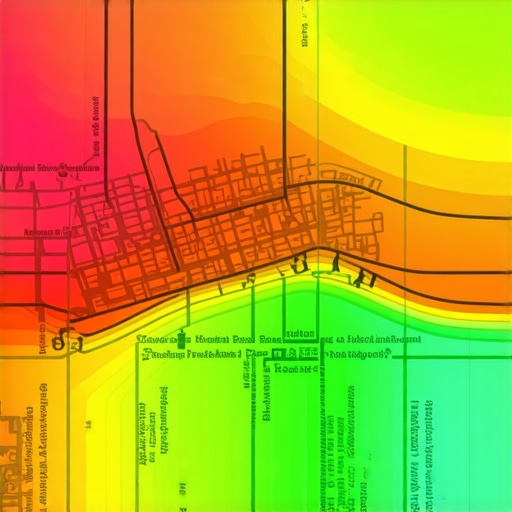
Don’t Fall for the ‘Set It and Forget It’ Myth
Local SEO isn’t a one-time project; it’s a living ecosystem. A common ‘oops’ factor is thinking a one-off optimization will last forever. I once saw a business lose a prime spot because they ignored their ‘Questions & Answers’ section for six months, allowing a competitor to answer for them. If you aren’t sure who to trust, you need to know how to spot a fake map optimization team before you hire them. Real visibility experts won’t promise overnight miracles; they’ll talk about conversion metrics and how visibility experts turn map impressions into actual phone calls. Also, please stay away from shortcuts. The truth about buying reviews and why it destroys your map rank is that Google’s AI is incredibly good at spotting patterns of manipulation. Once you’re flagged, getting back into the good graces of the algorithm is a nightmare. Have you ever fallen into this trap? Let me know in the comments.Keeping your local presence alive is a lot like maintaining a high-performance engine. You don’t just tune it once and expect to win every race for the next five years. If you think you’re done after the first month, you’ve already lost. Google rewards active entities, not digital monuments. This is exactly why map listing optimization requires constant updates. I’ve seen dozens of local shops climb to the top of the ‘three-pack’ only to vanish within weeks because they stopped feeding the algorithm new data. To avoid this, I rely on a regular ‘maintenance pulse’ that keeps our proximity signals sharp.
Keep Your Digital Garden From Going To Seed
One of the biggest mistakes I see is the ‘verification victory lap.’ A business owner gets their postcard, sees their pin, and stops. But if you’re operating on a budget, you need to learn how to audit your local map presence without expensive tools so you can spot issues before they become catastrophes. I personally spend at least thirty minutes every Friday checking for ‘suggested edits’ from the public that might have messed with my hours or services.
How do I keep my map rankings from dropping next month?
Consistency and velocity are your best friends. It’s not about doing everything at once; it’s about doing one thing consistently. This is why local business visibility depends on consistent user check-ins and fresh imagery. If Google sees a steady stream of new photos and interaction data, it assumes your business is thriving and relevant. As Joy Hawkins from Sterling Sky—a leading voice in the local search community—often points out, ‘spam fighting’ remains one of the most effective ways to clear the path for your own profile’s growth. By reporting illegitimate competitors, you aren’t just being a snitch; you’re ensuring the map remains accurate and fair.
The Tool That Finally Stopped My Guessing Games
I’m frequently asked what software is non-negotiable. While there are plenty of shiny objects out there, I swear by grid-tracking tools like BrightLocal or Local Falcon. They allow you to see your rankings on a coordinate-by-coordinate basis. Seeing a map covered in green dots and red dots tells you exactly where your visibility improvement efforts are working and where you’re still invisible. If you want to scale, you have to master the signal move visibility experts use to dominate multiple cities, which usually involves creating hyper-local landing pages that mirror the data on your map pin. 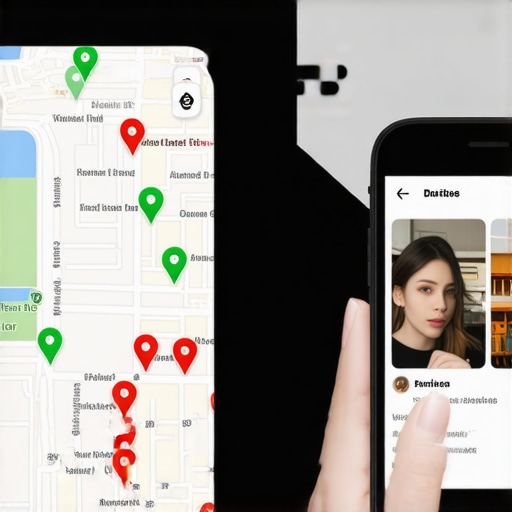
Where Local Search Is Heading In 2026
Looking ahead, the ‘leash’ on proximity is going to get even tighter for generic businesses but looser for those with high ‘brand authority.’ We are moving toward predictive mapping. Google will start suggesting your business to users before they even type a search query, based solely on their movement patterns and past interactions. If you haven’t worked with a google map experts team to establish a deep footprint now, you’ll be invisible to the AI assistants of the future. Try this: Pick one competitor this week that you know is using a fake address or keyword-stuffed name and report them through the ‘Suggest an edit’ feature. It’s the fastest way to realize how much control you actually have over your local neighborhood.
The Hard Truth About My Early Map Failures
For the longest time, I was obsessed with the sheer number of reviews. I thought that hitting the 500-mark would magically make me the king of the city. But the lightbulb moment happened when I saw a tiny competitor with 40 reviews outrank me for ’emergency services.’ I realized that our maps optimization team wasn’t just fighting for numbers; they were fighting for recent relevance. If you aren’t getting new clicks or fresh photos, you’re essentially stale bread to the algorithm. Another hard pill to swallow was the citation trap. I once bought a massive bundle of ‘local signals’ that ended up being why most citation packages actually hurt your rankings. Cleaning up that data took longer than building the profile in the first place.
The Heavy-Hitters in My Local Toolkit
I don’t believe in guessing when it comes to your livelihood. To stay ahead, I rely on a few specific resources that provide local visibility help when the map starts shifting. First, grid-tracking tools like Local Falcon are non-negotiable for seeing exactly where your signal drops off. I also keep a close eye on the google map experts over at Sterling Sky; their research into algorithm updates is the gold standard. For the technical heavy lifting, I always go back to the exact steps we use for rapid visibility improvement to ensure the foundation is rock solid. These aren’t just toys; they are the sonar for your business lighthouse.
#IMAGE_PLACEHOLDER_E#
Your Turn to Take Back the Neighborhood
The digital landscape is constantly changing, but the goal remains the same: being the most helpful, visible answer to a neighbor’s problem. Achieving a real visibility improvement doesn’t require a degree in computer science, but it does require the discipline to treat your profile like a living part of your shop. Whether you choose to do it yourself or hire a visibility experts team to navigate the competitive clusters, the time to start is now. Don’t let another rainy Tuesday pass where you’re invisible to the person standing right across the street. What is the one thing currently keeping your business from showing up in the next town over? Let me know in the comments below!