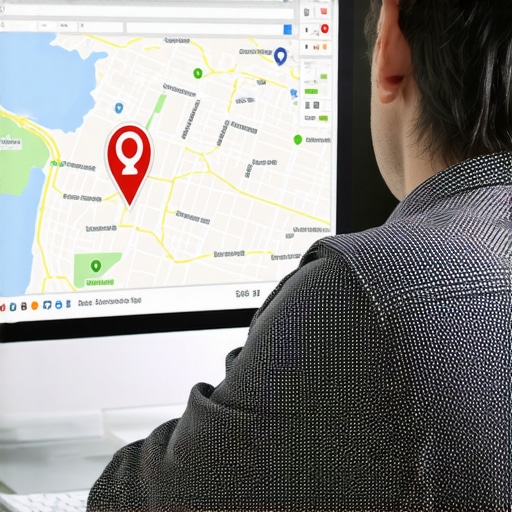
It was a rainy Tuesday night when I finally lost my temper. I had spent the entire weekend copying and pasting iframe codes into every footer, contact page, and blog sidebar on my client’s site. I really believed those copy-paste maps would work like magic. The local internet gurus swore by it. They said, “Just embed the map, and watch your business climb to the top of the local pack.” But as I stared at the ranking tracker that evening, the reality set in. The needle had not moved. In fact, our local visibility had slightly declined. It was a frustrating realization: I had fallen for a massive SEO myth, wasting hours on a tactic that simply does not deliver actual ranking power.
The Map Embed Myth That is Wasting Your Time
For years, business owners have been told that embedding their Google Map on hundreds of web pages is the golden ticket to local dominance. We have been led to believe that search engine spiders treat these embeds as powerful structural votes of confidence. But if you talk to true google map experts, they will tell you a very different story. The truth is that a standard map embed is nothing more than an interactive picture. It makes your contact page look nice, but it passes absolutely zero ranking authority to your business profile.
I learned this lesson the hard way. Early on in my journey, I bought into the hype and even paid for those automated gig packages that promise “1,000 map embeds” on random Web 2.0 sites. Not only did it fail to boost our presence, but it also cluttered our digital footprint with low-quality spam. Today, we are going to look past these outdated tricks and focus on the real signals that actually move your pin. We will explore how to build authentic relevance that search engines actually respect.
Are Map Embeds Actually Worth the Effort Anymore?
If you are still dedicating hours to embedding maps across various directories, you are chasing a ghost. Modern search algorithms have evolved far beyond simple HTML iframe reads. According to a local search ranking factors study by Moz, foundational signals like user engagement, physical proximity, and consistent profile activity carry vastly more weight than static page elements. If you want to stop wasting time, you need to understand the real impact of map embeds on your website ranking and pivot your focus toward strategies that generate real engagement.
When my own clients ask for local visibility help, the first thing we do is clean up these useless, outdated tactics. We stop focusing on static, lifeless code and start working on dynamic user signals. Have you ever spent days plastering your map across the web only to see your competitors comfortably sitting in the top spots without a single embed on their site? I would love to hear if you have run into this exact same roadblock.
The path to genuine local growth requires a shift in mindset. Instead of looking for quick-fix code snippets, we must look at how actual humans interact with our business listing. Our specialized maps optimization team focus on cultivating real-time user actions, localized content relevance, and precise profile configurations. Let’s dig into what actually drives your business to the top of the local map pack.
Step Away From Code and Force Real Interaction
To understand how local rankings work, think of your Google Business Profile not as a static digital billboard, but as a busy physical storefront. If a store has a beautiful sign but nobody ever walks through the door, asks questions, or touches the products, the landlord realizes the space is dead. Google operates the exact same way. When our maps optimization team takes over a stale listing, we immediately shift the focus from background code to real-time, active user engagement. If you want to rank, you have to prove to the algorithm that people actively care about your business right now.
Force Desktop and Mobile Engagement Rather Than Buying Citations
Years ago, I worked with a local plumbing contractor in a highly competitive metro area. He had purchased three different citation packages, yet his profile was completely invisible. We stopped submitting to useless directories and instead focused entirely on driving user actions. We updated his profile weekly with high-quality, geo-relevant photos of actual completed jobs. When you upload native files directly from the field, you bypass the noise because the specific image data that triggers faster local discovery works like an active beacon for search crawlers. Within thirty days of this shift, his phone calls doubled without spending a single dollar on new directory links.
Ditch the Standard Copy and Paste Map Tricks
If you are still trying to game the algorithm by pasting your map iframe into every footer, you are operating on decade-old advice. Experienced google map experts will show you that search engines prioritize natural user behavior. When real customers search for your services, click your map pin, ask for driving directions, or click to call, those are high-value signals. You can learn more about how how visibility experts turn map impressions into actual phone calls by focusing on click-through rates and genuine engagement rather than static site embeds.
Audit Your Business Profile for Active Interaction Gaps
Before you run another ad campaign or buy more backlinks, look closely at your actual dashboard. Many business owners do not realize their profile is essentially in sleep mode. If you are not answering customer questions directly on your listing, or if you are not publishing regular updates, Google has no reason to push your pin forward. If you feel stuck, seeking professional local visibility help can help you identify exactly where the interaction signal is failing. We often find that simple adjustments to user-facing features yield a massive visibility improvement almost immediately. It is about working with the algorithm, not trying to trick it with spammy shortcuts.
When you start looking closely at how local search actually operates behind the scenes, you realize that most of the advice floating around online is remarkably outdated. Everyone in the SEO forums tells you to focus on building hundreds of directory listings and matching every single comma in your address across the web. They call it ‘NAP consistency’ and treat it like sacred text. But in my experience, obsessing over static directory listings is a massive waste of energy. Google has advanced far beyond checking if your business name matches on a forgotten Web 2.0 directory.
The Huge Trap of Chasing Static Optimization
The biggest mistake I see business owners make when they hire help is assuming that optimization is a one-time project. They expect a maps optimization team to clean up their coordinates, build a few citations, and walk away. But static data does not build authority. A study by the local search experts at Whitespark confirms that behavioral signals—like real-time driving direction requests, mobile click-to-calls, and localized search history—now carry far more weight than traditional citation volume. If your strategy is entirely built around static profiles, your competitors will consistently beat you simply by being active.
Why Do Some Map Optimization Teams Keep Selling Outdated Packages?
It comes down to what is easy to scale and sell. It is incredibly simple for low-cost agencies to run an automated software tool that spits out fifty directory submissions a month. They can show you a PDF report that looks impressive, but those links sit in dead corners of the web where no human will ever click them. Authentic, high-performing google map experts will not waste your budget on those dead-end signals. Instead, they focus on driving real-world user engagement and analyzing geographic search patterns.
When you seek out professional local visibility help, make sure you ask how they plan to stimulate user interaction. If their only plan is to submit your site to more directories, run the other way. We focus on getting real people to engage with your listing because that is what search engines actually reward. Have you ever hired a service only to find they just delivered a boring spreadsheet of directory links that did nothing for your actual ranking? Let me know in the comments below.
Ultimately, a sustainable visibility improvement requires shifting from a set-and-forget mindset to an active engagement model. Real visibility experts focus on behavioral signals, direct customer messaging, and localized image uploads rather than static HTML edits. It is time to stop playing by the old rules and start feeding the algorithm the real interaction data it wants.
To keep your local presence thriving, you must transition from setup to active preservation. This is where most business owners fall off. They do the initial work, see a small jump, and then assume they can coast. In my years of running campaigns, I have seen listings drop off the face of the map within three months of inactivity. Search algorithms are looking for real-time signals, meaning your work is never truly finished.
How do I maintain my map visibility over time?
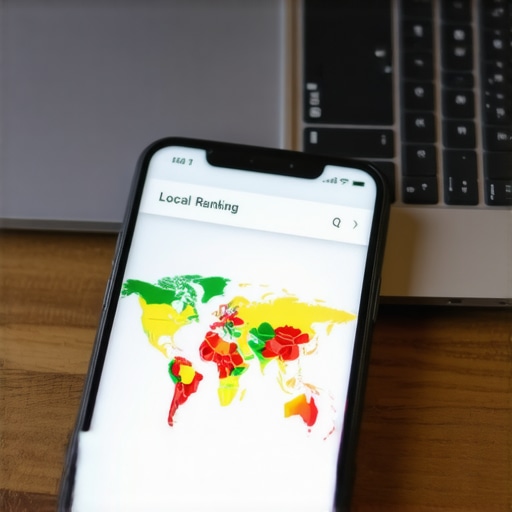
The secret lies in treating your Google Business Profile like a social media channel that actually pays you. I rely heavily on simple, daily workflows rather than complex software suites. Every single Monday, I log into our tracking dashboards and check the heatmaps. I use specialized tools like Local Falcon to run hyper-local grid checks. This tells me exactly how the business is ranking block-by-block, rather than just taking a generic city-wide average. If I see a drop in a specific zip code, we immediately push geo-targeted updates to counter the decline.
Next, I make it a strict habit to upload at least three raw, smartphone-shot photos directly from the field every single week. Do not use stock photography; Google’s Cloud Vision API easily identifies stock images and filters them out. Instead, capture the messy, real-world action of your business. If you are struggling to maintain this consistency, reaching out for professional local visibility help can take the administrative burden off your plate. Remember, consistent micro-updates will always beat a massive, once-a-year overhaul.
As we look toward the future, the integration of artificial intelligence and conversational search is changing the landscape entirely. I predict that within the next two years, Google will rely almost exclusively on real-time user verification data to rank map profiles. The search engine wants to verify that you are actually open, active, and physically present. Static data will be completely ignored. Our maps optimization team is already shifting strategies to prepare for this shift by focusing heavily on instant direct messaging response times and localized user check-ins.
According to the technical analysis published by local search scholar Joy Hawkins on Local Search Forum, user engagement metrics are rapidly overshadowing traditional citation authority. This means your priority must be encouraging real actions. If you want to see a sustained, long-term visibility improvement, you need to actively prompt your customers to interact with your listing. My challenge to you today is this: stop worrying about your directories for a moment. Go to your dashboard, post a fresh update with a real-time photo, and reply to your three oldest unanswered questions. Let’s see how quickly your engagement signals wake up.
When I look back at the hundreds of hours I wasted pasting iframe codes onto obscure websites, I realize how easy it is to fall for comfortable lies in the SEO world. Static data is incredibly easy to produce, which is exactly why so many outdated agencies continue to sell it as a premium service. But local search has changed. If you want your business to truly thrive where customers are actively looking, you must transition from a passive, set-and-forget mindset to a strategy fueled by real-time user engagement.
The Hardest Lessons I Learned Managing High-Competition Profiles
- The map embed is a design choice, not a ranking tool: Adding an iframe map to your contact page helps real people find your front door, but repeating that process on third-party directories does nothing to influence Google’s ranking algorithms.
- Stock photos are actively hurting your local search reach: Uploading stock photography signals to Google’s automated image scanners that your business lacks real-world presence in the area.
- Recency beats total volume: Having fifty highly engaged reviews and regular user interactions from the past month carries far more ranking weight than five hundred ancient reviews sitting on a dormant profile.
- Citations are foundational, not promotional: Traditional business directory citations establish baseline trust, but they will never push your business into the coveted local three-pack over an active competitor.
The Real Tools I Use to Monitor and Boost Map Visibility
To stop guessing and start ranking, you need to arm yourself with accurate data. I do not recommend buying expensive corporate software suites when you are first starting out. Instead, I rely on a few specific tools that provide direct, actionable insights. First, use Local Falcon or BrightLocal to run localized grid tracking; these tools show you exactly how your business ranks block-by-block rather than giving you a deceptive city-wide average. Second, spend time reviewing the Google Cloud Vision API demo to see exactly how search engine AI perceives the job site photos you upload. Finally, keep a close eye on the google map experts sharing real-time algorithm discoveries on platforms like the Local Search Forum.
How to Wake Up Your Profile and Claim the Local Pack
It is time to take control of your local search presence and stop relying on outdated shortcuts. By shifting your energy away from useless citation packages and focusing on real-world mobile interactions, geo-targeted photo updates, and quick direct messaging responses, you feed the algorithm exactly what it wants. Real, sustainable visibility improvement comes from proving your business is the most active and helpful solution in your neighborhood. Take action on your profile today, and watch your local leads climb.
Have you ever spent weeks building directory listings or embedding maps only to see your search rankings completely flatline? Let me know your experience in the comments below.