
I still remember the sinking feeling in my stomach when a customer named Dave walked out of my shop last year. He was thrilled. He shook my hand, told me my service was the best he had ever experienced, and promised to write a glowing review the second he got home. Do you want to guess what happened? Absolutely nothing. Dave did not have bad intentions; he simply got stuck in traffic, walked into a busy house, and completely forgot about me. For months, I made the painful mistake of sending generic, automated follow-up emails three days later, only to find they were instantly buried in spam folders. That was my lightbulb moment. If you do not capture that enthusiasm while they are still standing right in front of you, you have already lost. Today, we are going to fix that by revealing the exact, friction-free message that gets people to take action on the spot.
How a Single Bad Text Message Cost Me Dozens of Five-Star Ratings
After that experience with Dave, I decided to take matters into my own hands. I drafted a clunky, desperate-sounding text message and sent it manually to every single client before they walked out the door. It was long, contained three different links, and practically begged for a rating. It was a total disaster. Not only did my response rate drop to zero, but a few loyal clients actually told me the message felt pushy and awkward. This early mistake taught me that asking for feedback is an art of timing and absolute simplicity. According to a consumer study by BrightLocal, over 70% of consumers will leave a review if they are asked, but the friction of the process is what stops them. I was creating too much friction. I realized that our google map experts are right: it is not about begging; it is about making the process take less than four seconds. Have you ever tried asking a customer for a review face-to-face only to get met with a blank stare or a broken promise?
Is asking for a review before they leave too pushy?
Many business owners fear that bringing up reviews before a customer even leaves the building will make them look desperate or annoy their clientele. I used to believe this too. But the reality is that customers actually want to help businesses they love; they just need you to make it incredibly easy for them. By using a highly targeted, polite verbal cue paired with a single-tap digital link, you transition from being a pest to simply being a modern, convenient business. When our maps optimization team analyzes high-performing local profiles, the businesses dominate not because they have better services, but because they master this brief window of peak customer excitement. Let us dive into the precise psychological triggers that turn a happy customer into an active online advocate before they even start their car.
Stop Chasing Ghost Leads and Use the Three-Second Handshake Instead
I used to think that getting clients to leave a review was like pulling teeth. I would send follow-up emails, track people down on social media, and even offer discounts on their next visit, only to watch my response rates flatline. But everything changed when I realized that reviews are not won in the inbox; they are won at the cash register. I call this approach the three-second handshake. It relies on the psychological peak of customer satisfaction, which happens the moment they pay you and see the final result of your hard work. When you wait even an hour to ask, their enthusiasm drops exponentially, much like how a cup of coffee loses its heat the longer it sits on your desk.
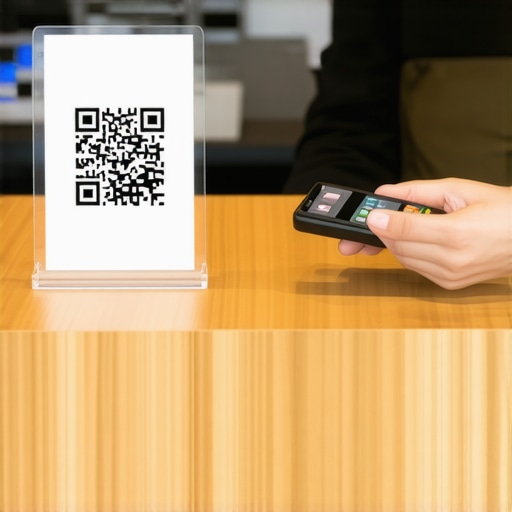
The mechanics are simple but require absolute precision. First, you must eliminate all digital roadblocks. Instead of asking people to open their browser, search for your business, and find the review tab, you must place a direct link directly into their hands. I learned this the hard way during a chaotic Saturday afternoon last summer. A customer named Sarah loved her service, but instead of sending her a generic link, I had her scan a customized QR code printed on a small acrylic stand at my counter. The QR code deep-linked straight to our review submission screen. It took her exactly three seconds, and she completed it while her receipt was printing. By making the digital physical, we remove the cognitive load of searching.
Streamline Your Links for Instant Interaction
If your digital link is messy or takes more than one tap to load, you will lose the client’s attention immediately. Our maps optimization team consistently points out that many business profiles fail to grow because their review links contain redirection errors. To prevent this, generate your short link directly from your business profile dashboard. When you use a clean, direct link, you bypass search engines entirely and drop the customer exactly where they need to write. Think of it as a direct flight versus a flight with three layovers; your customers will always prefer the non-stop route.
Train Your Staff to Use Low-Pressure Verbal Cues
The magic does not just happen in the link itself; it lies in the brief conversation before the link is shared. You should never ask a customer to ‘do you a favor’ or ‘help your business rank better.’ That shifts the burden onto them and makes the interaction feel like a transaction. Instead, frame the request around their experience. When I trained my front-desk team, I had them use a simple script: ‘We love serving families like yours, and your feedback helps other locals find us.’ This approach makes the customer feel like an important part of the local community. It is a natural conversational pivot that converts a routine transaction into a shared victory. If you need hands-on assistance setting up these automated touchpoints, seeking local visibility help can ensure your digital infrastructure matches your face-to-face enthusiasm.
The Big Myth About Local SEO and Why Citation Counting Is Dead
We have all heard the standard advice from self-proclaimed marketing gurus: if you want your business to show up on the map, you need to buy massive citation packages and blast your business name across hundreds of directory websites. This is the exact trap that keeps local business owners frustrated and broke. In my early days, I bought into this myth completely. I paid for a massive directory package, waited weeks for the results, and watched my search position stay exactly where it was. The truth is, search algorithms have evolved past static directory listings.
Modern search systems do not care about a dormant directory page created five years ago. Today, our local visibility help strategy focuses on dynamic, real-time user engagement. Think of it this way: a single active customer interacting with your profile right now carries ten times more weight than fifty dusty directory listings on websites nobody visits. When you prioritize real-time user behavior over outdated directory submissions, you finally break through the noise. This is why our maps optimization team actively ignores traditional keyword stuffing and old-school link-building tactics in favor of live engagement signals.
Are you accidentally shadowbanning your own business profile with category overlap?
This is one of the most sophisticated mistakes I see smart business owners make. When you set up your business profile, you are allowed to select one primary category and several secondary categories. The temptation is to list every single service you could possibly perform under the sun. You think you are casting a wide net, but you are actually confusing the search algorithm. For example, if you list yourself as both a professional consulting firm and a retail supplier, the algorithm struggles to understand your true business identity. Our google map experts refer to this as category cannibalization. By trying to rank for everything simultaneously, you end up ranking for absolutely nothing. Keep your secondary categories highly focused and directly related to your primary offering.
The Proximity Trap and the Illusion of High Map Impressions
Another common point of confusion centers around impressions. Many agencies will hand you a beautiful PDF report showing that your map impressions are up by 300%, yet your phone isn’t ringing and no one is asking for directions to your shop. How is that possible? According to a landmark study on local search behavior by the Local Search Association, high search impressions without local actions usually mean your business is displaying for broad search terms miles outside of your actual physical service area. You are winning views from people who are too far away to ever become paying customers.
If you want real visibility improvement, you need to look at local intent and proximity. Stop chasing vanity metrics that look good on paper but do not translate to cash in the register. Have you ever fallen into this trap? Let me know in the comments below, and let’s discuss how to align your digital footprint with real, foot-traffic buyers.
Why Set-and-Forget Is a Myth in the Local Search Space
Many local business owners treat search optimization like a physical signpost: you build it once, plant it in the ground, and expect it to work forever. Unfortunately, the digital landscape moves much faster than physical storefronts. Our maps optimization team continually observes that map listings suffer from algorithmic decay when left untouched for more than a few weeks. Think of your search profile as a garden. You do not just plant the seeds and walk away; you have to prune, water, and pull weeds to ensure long-term health. If your competitors are actively updating their profiles while yours sits dormant, they will slowly but surely push you out of the local map pack.
How do I maintain my search performance over time?
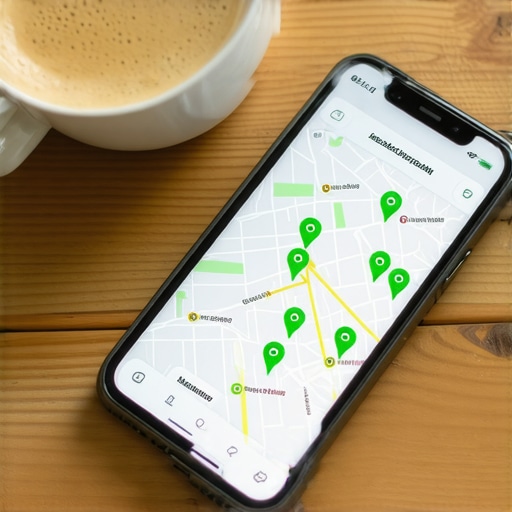
Consistency beats occasional bursts of intense effort every single time. To maintain your rankings without burning out, you need to establish a simple weekly routine. I personally set aside exactly fifteen minutes every Friday morning to manage my digital storefront. During this block of time, I upload one fresh geo-tagged photo taken directly from my phone, respond to any new questions in the Q&A section, and quickly review user suggestions. To make this process even more seamless, I rely heavily on specific mobile applications like Local Falcon to run automated coordinate-based rank tracking. This tool shows me exactly how my business performs street-by-street, preventing any nasty surprises before they impact my bottom line.
As search engines integrate deeper machine learning capabilities, the future of map optimization will rely almost entirely on user interaction signals rather than static data. Technical reports from leading agencies like BrightLocal indicate that real-time behavior, such as direct messaging speed and real-time driving requests, will become the primary factors determining who wins the top spots. If you want to stay ahead of the curve, you must learn unlock local visibility expert map optimization strategies for 2025 to future-proof your presence. Do not let your profile go cold. I highly recommend taking action today by downloading a rank tracker or setting a weekly recurring calendar invite to upload one real-time photo to your business profile.
What Map Optimization Teams Will Never Tell You About Customer Momentum
The single hardest lesson I learned about maintaining a dominant digital presence is that search algorithms value momentum over perfection. In my early days, I spent thousands on an agency to clean up old directory details, thinking that static accuracy was the holy grail of local search. I was wrong. The algorithms do not reward you just for existing; they reward you for active, real-time proof of life. When a real customer physically visits your store, checks in, or opens your profile to send a direct message, they are sending a high-value signal that no artificial citation package can replicate. By shifting my focus toward securing immediate engagement from visitors while they are still on-site, my profile gained more traction in three weeks than it had in the entire previous year.
Another common trap is believing that more is always better when it comes to secondary categories. Our maps optimization team continually points out that overloading your profile with unrelated services actually dilutes your primary search signal. Keeping your services tightly grouped and highly specific prevents search engines from getting confused about what you actually do. If you want true visibility improvement, you must prioritize this real-time customer momentum over outdated, static optimization techniques.
My Essential Toolbox for Tracking Local Search Success
I do not believe in guessing when it comes to search rankings, nor do I believe in paying for overly complex enterprise software that requires a degree to understand. Over the years, I have narrowed my personal toolkit down to a few highly reliable resources that deliver clear, actionable data. First, I use Local Falcon for coordinate-based scan tracking; it shows me exactly where my map pin ranks on a street-by-street level rather than just a city-wide average. Second, I rely on the official Google Business Profile App to quickly respond to customer messages and post real-time updates within seconds of finishing a service.
For analytical insights and staying ahead of algorithmic shifts, I closely follow the research published by BrightLocal. Their deep-dive consumer surveys help me understand changing user habits before they impact my traffic. When I need to implement advanced optimization moves, I rely on the resources provided by google map experts who understand how to translate algorithmic updates into daily, practical business workflows.
How to Turn Your Digital Handshake Into Consistent Local Growth
The digital landscape will continue to favor businesses that prioritize real-world interactions over artificial signals. Do not let the fear of sounding pushy stop you from asking for feedback when your customers are at their peak level of satisfaction. When you pair a simplified, direct link with a warm, community-focused verbal cue, you transform a transactional request into a shared victory that benefits everyone involved. If you feel overwhelmed by the technical setup, reaching out to get professional local visibility help can ensure your digital tools are perfectly aligned with your physical business operations.
Your local search presence is a direct reflection of your real-world reputation. By taking consistent, weekly action to feed the algorithm fresh, real-time engagement data, you will naturally pull ahead of competitors who rely on static, outdated profiles. Have you ever struggled to get happy customers to write a review before they leave your business? Let me know your experiences in the comments below!