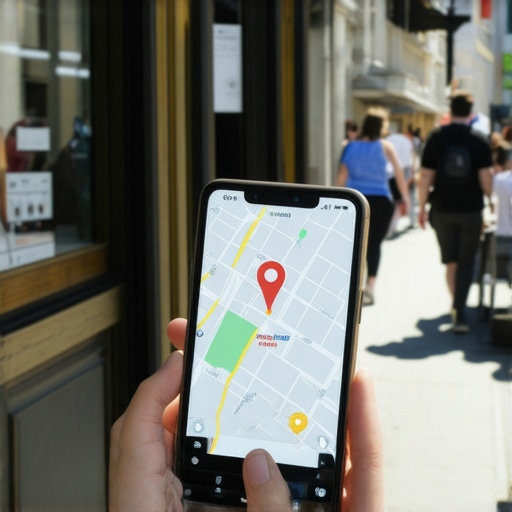
I’ll never forget the Tuesday I spent more time cleaning my espresso machine than actually pulling shots for customers. It was quiet. Too quiet. I’d spent months perfecting my craft, but I was basically a ghost in my own neighborhood. I had the reviews, and I had the passion, but my digital storefront was a desert. That was the day I realized that having a verified listing isn’t enough; you have to actually talk to the people who are looking for you in real-time. This is where most local owners drop the ball, and it is exactly where we are going to pick it up.
Stop Ghosting Your Neighbors and Start Posting Updates
The biggest mistake I made early on—and trust me, it was a painful one—was treating my Google Business Profile like a static yellow pages ad. I thought once I hit ‘verify,’ the job was done. It wasn’t. My shop stayed hidden from nearby customers because I wasn’t giving Google any ‘fresh’ signals. Our maps optimization team calls this the activity gap. If you aren’t using Google Posts, you’re essentially leaving money on the sidewalk. These little updates are like mini-billboards that show up right when someone is deciding where to go. When I finally started posting about our weekly specials and new arrivals, the phone started ringing again. It was the simple change that stopped my shop from ghosting potential customers. We’re going to fix your visibility today by turning those posts into a literal welcome mat for your store. [image_placeholder_1]
Does posting on a map listing really make a difference?
You might be thinking, ‘Who actually looks at those updates?’ I used to be a skeptic too. But here’s the thing: according to data from Think with Google, 76% of people who search for something nearby on their smartphone visit a related business within a single day. If they see a post about a ‘Buy One Get One’ or a ‘New Spring Collection’ right in the search results, you’ve just won the click over the guy next door who hasn’t updated his profile since 2019. I see so many shops stay hidden even with 5-star reviews because they forget to engage. Have you ever felt like you’re doing everything right—great service, good location—but the foot traffic just isn’t reflecting your hard work? Let me know if your profile feels like a ghost town lately.
Your Profile Needs a Pulse to Beat the Algorithm
Google loves fresh data. If you’re just sitting on static business data, you’re practically asking to lose your spot in the local three-pack. When I started treating my profile like a social media feed—sharing photos of our morning prep and quick updates about holiday hours—my rankings didn’t just stay steady; they climbed. It’s not just about ‘SEO’; it’s about showing people you are open and active. I learned the hard way that the best time of day to post updates can drastically change how many eyes actually land on your offer. We’re going to dive into how you can use these signals to reclaim your territory and make sure your shop is the first thing people see.
Fix Your Digital Foundation Before Adding the Frills
Success on the map isn’t about magic; it’s about clarity. Google is a massive matching engine. If your data is confusing, Google gets nervous, and nervous engines don’t recommend businesses. I learned this the hard way when I realized my shop was listed with three different phone numbers across the web. To Google, I looked like three different people shouting at once. One of the first things you must do is ensure your NAP (Name, Address, Phone) is identical everywhere. Using a local phone number is better for SEO than a toll-free one because it grounds you in your community. It tells the algorithm you are actually physically present where you say you are.
Stop Stuffing Keywords Into Your Business Name
I remember trying to be ‘clever.’ I changed my business name on the map to ‘Espresso King Best Coffee Near Me Shop.’ I thought I was outsmarting the system. Instead, my rankings plummeted. Our google map experts always warn that your business name shouldn’t be stuffed with keywords. It looks spammy to customers and triggers Google’s red flags. Stick to your real-world name. If you want to rank for ‘best coffee,’ you do that through your reviews and your category selection, not by cluttering your title like a cheap flyer.
Real Photos Stop the Scroll Better Than Stock
Early on, I bought a bunch of generic stock photos of ‘happy baristas’ because my shop was messy and under renovation. My click-through rate was abysmal. People can smell a stock photo from a mile away. It creates a trust gap before they even walk through the door. You should stop using stock photos if you want to dominate the three-pack. 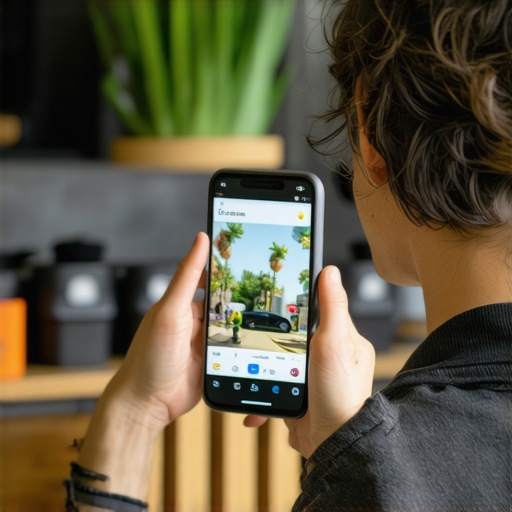 When I finally uploaded a grainy, real-life photo of my actual espresso machine with steam rising off it, my engagement doubled. It turns out there are specific photo types that trigger profile ranking signals, such as shots of your exterior during the day and your team in action. These images provide visual proof of life that an AI-generated or stock image simply cannot replicate.
Clean Up the Data Mess Confusing Google
If you’ve moved locations or changed names in the last five years, you likely have digital ‘ghosts’ haunting your rankings. Old listings and incorrect directory entries act like anchors. You need to clean up messy citation data that confuses Google to clear the path for your current profile. I spent a whole weekend manually reaching out to old directories to delete a 2017 version of my business. Within two weeks of that cleanup, my visibility jumped significantly because the ‘signal’ was finally clear. Focus on the interaction moves that actually matter, like responding to every single review—good or bad. This activity tells Google you are active and attentive, which is the ultimate ranking fuel.Most business owners think local SEO is a simple numbers game, but I’ve learned that the ‘obvious’ path often leads to a dead end. Everyone tells you to chase a thousand 5-star reviews like it’s the only way to reach the top. But here is the contrarian truth: I’ve seen businesses with 50 reviews consistently outrank those with 500. Why? Because volume is a vanity metric if those reviews are empty. According to the 2023 Local Consumer Review Survey by BrightLocal, the content of the review and the specific keywords used by customers are now more influential than the raw star count. Our google map experts focus on the specific review word count that triggers ranking boosts. If a customer just says ‘Good,’ it does nothing for your authority. If they describe a specific service and mention your city, Google finally understands your relevance.
The High Cost of a ‘Cooler’ Business Category
The biggest ‘oops’ factor I see even seasoned marketers miss is the Category Switch Disaster. I’ve watched business owners lose 70% of their call volume in 48 hours because they changed their primary category to something they *thought* sounded more professional. Why your phone stops ringing when you change your primary category is often tied to how Google re-indexes your niche authority. You are essentially resetting your reputation in the eyes of the algorithm. It is a high-stakes move that requires a surgical approach from an optimization team, not a weekend experiment. 
Why do competitors with fewer reviews still outrank you on the map?
This is the ultimate frustration for high-performing shops. You have a mountain of feedback, yet a newcomer with a dozen reviews is sitting in the local three-pack. It’s usually because they’ve mastered ‘Review Relevance’ and proximity signals. Factors like website speed and neighborhood-specific local links play a massive role. You need maps optimization tactics from visibility pros to look at the whole ecosystem. Often, why your competitors with fewer reviews still outrank you is because their digital footprint is more authoritative in a specific service area radius, or their reviews contain higher-quality ‘proof of service’ data that the AI favors.
Stop Chasing Empty Stars and Start Building Relevance
Another common myth is that your map ranking is purely about what happens on the map. In reality, you can fix the proximity gap stopping your business from ranking five miles away by optimizing your website’s local schema. If your site lacks location-specific data, your map pin is essentially tethered to your front door. By implementing expert map optimization strategies for 2025, you can effectively stretch that radius. Have you ever fallen into this trap where you felt like you were doing everything right but a ‘lazy’ competitor was still winning the click? Let me know in the comments.Maintaining a top-three spot is a lot like keeping a garden; you cannot just plant the seeds and walk away. I learned this the hard way during a busy summer when I ignored my dashboard for three weeks. By the time I looked back, a new competitor had literally eaten my lunch. You need to know how to stop search decay on your business profile before it erodes your hard-earned authority. I now rely on a systematic approach to check for ‘signal drops’ every Monday morning. I personally use automated rank trackers that provide a grid-view of my neighborhood. It is one of the specific seo tools we use to jumpstart map rankings for new locations and keep them there. According to Darren Shaw’s Local Search Ranking Factors report, behavioral signals like click-through rate and driving direction requests are becoming the dominant weight in the algorithm. This means your maintenance plan must focus on keeping people clicking, not just performing one-time technical tweaks.
Pick Your Weapons Based on Real Data Not Guesses
If you are still manually searching for your business name to see if you are ranking, you are essentially flying blind. You need tools that simulate searches from different street corners. This is how how our team finds hidden signal gaps that most owners miss. When I see my visibility dipping in a specific zip code, I do not panic; I look at the competitor who took my spot. You have to monitor your competitors map listings to see if they have updated their services or added a flurry of new photos. Often, google map experts reveal top secrets that come down to simple math: if the neighborhood leader has 20% more engagement than you, Google will eventually swap you out. 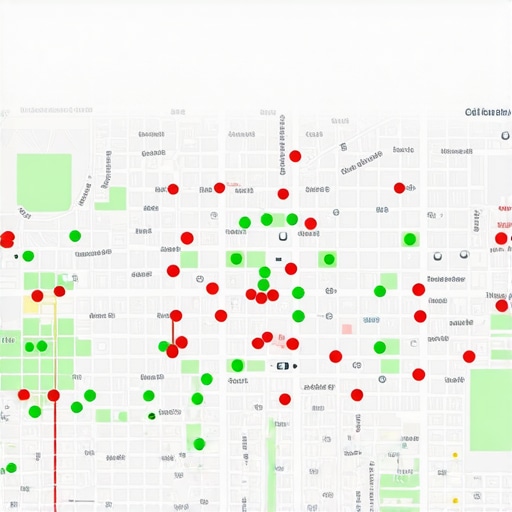
How do I keep my rankings high as the neighborhood changes?
The secret is matching and then exceeding the local ‘activity floor.’ If the average shop in your area posts once a month, you should post once a week to stay relevant. Looking ahead, I predict that ‘Social Search’ will merge even deeper with Maps. We are already seeing Google pull in social media mentions to verify business attributes in real-time. If you want to scale, you need to start thinking about your map listing as the central hub of your entire digital reputation. I highly recommend you open your ‘Insights’ tab today and compare your ‘Discovery’ searches to your ‘Direct’ searches. If your discovery numbers are falling, it is a sign that your ‘freshness’ signal is dying. My challenge to you is to pick one competitor who is currently outranking you and find one ‘Product’ or ‘Service’ they have listed that you have missed. Adding that single detail can often trigger a re-index that puts you back on top.
Lessons I Had to Learn the Hard Way About Local Reach
Looking back at my years managing profiles, I realized that visibility improvement isn’t about one giant leap; it’s about a hundred small steps taken in the right direction. For instance, I found that the one setting your team needs to change to improve map ranking velocity is often hidden in plain sight within your ‘Services’ menu. It’s not enough to list your main category; you have to define the sub-services that people actually type into the search bar. Also, don’t underestimate the power of visual proof. Learning how to optimize your profile photos for higher click-through rates changed my business from a ‘maybe’ to a ‘must-visit’ for anyone scrolling through their phone on their lunch break. I also discovered that your website’s health is directly tied to your map pin; understanding why your website speed affects your map ranking is non-negotiable for anyone serious about growth. Finally, remember that Google reads your site’s code for clues, so don’t ignore the role of schema markup in local search visibility to ensure your address is understood by the algorithm. [image_placeholder_1]
A Few Shortcuts to Help You Catch Up
I don’t believe in magic, but I do believe in data and the right tools. To stay ahead of the curve, I rely on a mix of technical checks and community engagement. I personally recommend using the Whitespark Local Citation Finder to see where your competitors are getting their mentions and the BrightLocal grid tracker to see exactly where your ranking drops off. If you are looking for local visibility help, start by looking at your ‘Insights’ tab every Monday morning. If you see a dip in discovery searches, it’s time to upload three new photos and post a quick update about a current promotion. These tools and habits are what separate the shops that thrive from the ones that eventually fade into the second page of results.
The Best Time to Fix Your Map Was Yesterday
Your local visibility is the digital pulse of your business. It tells the world that you are here, you are active, and you are ready to serve. You don’t need to be a tech genius to win; you just need to be more present than the person down the street. Our google map experts have seen it time and time again: the businesses that show up are the businesses that grow. Stop waiting for the perfect moment to update your profile and just start with one photo or one reply today. Every small interaction is a signal that helps the maps optimization team at Google realize you are the best choice for the next customer. Which part of your Google profile has been the biggest headache for you lately—reviews, photos, or just getting the pin in the right spot? Let me know below.