
I remember the exact moment I realized my local listing was sabotaging my bank account. I was sitting in my car, scrolling through my own business profile, and there it was: a grainy, dimly lit photo of a half-eaten sandwich from three years ago, uploaded by a customer who was clearly having a bad day. It looked miserable. Worse, it was the first thing people saw. I had spent thousands on marketing, yet I was letting a blurry lunch photo do the talking. It was a wake-up call. If you have been wondering why your high-intent leads are vanishing, the answer might be sitting right in your photo gallery. Today, I am going to show you exactly how to scrub those brand-killing images and why your current visual footprint is likely the reason your phone has gone quiet.
Stop Letting Ancient Sandwiches Ruin Your First Impression
For years, I made the mistake of thinking that any photo was good for visibility. I figured more content meant more authority. I was wrong. I once left a customer-uploaded photo of a cluttered back-office visible for months, thinking it showed we were “busy.” In reality, it just made us look disorganized. This kind of hidden error in your profile audit is what separates the neighborhood favorites from the businesses that are just taking up space. According to research by BrightLocal, businesses with more than 100 images get significantly more engagement, but the quality of those images dictates whether that engagement turns into a sale or a bounce. If your profile is a graveyard of outdated logos, blurry interiors, or staff members who left the company during the Obama administration, you are actively pushing people toward your competitors. You have to stop using stock photos or low-quality junk if you want to actually win the trust of someone looking at their phone in a hurry.
Will Google actually let me delete these photos?
This is the part where most owners get stuck. You see a photo you hate, you try to find a delete button, and it simply isn’t there because a customer posted it. It feels like you have lost control of your own storefront. I have been in those trenches, fighting with support loops and flagging images that Google claimed “didn’t violate policies.” But there is a process that actually works. We are going to move past the generic advice and look at the simple changes that help you regain control. Have you ever felt like you were screaming into a void trying to get a misleading photo removed from your listing?
The Real Cost of Visual Clutter
When someone searches for a service nearby, they are looking for a reason to trust you. If your competitors have crisp, professional shots and you have a photo of a flooded basement from a job you did in 2017, you have already lost. This is about more than just aesthetics; it is about sending the exact photo types that tell the algorithm you are active, relevant, and high-quality. I learned the hard way that a single bad image can negate fifty 5-star reviews. People believe their eyes more than they believe a star rating. It is time to treat your digital storefront with the same respect you give your physical one.
Clean Up Your Digital Front Porch Right Now
You wouldn’t let someone leave a trash bag on your physical doorstep, so why let a blurry 2018 photo sit at the top of your profile? The first step is a ruthless audit. You need to look at every single image through the eyes of a skeptic and ask: “Does this look like a business I would hire today?” If the answer is no, it has to go. This isn’t just about aesthetics; it is a core part of how you master your map rankings with innovative approaches. I once worked with a local plumber who had a customer upload a photo of a pipe that looked like it was leaking sewage. In reality, it was just dirty rainwater, but to a nervous homeowner, it looked like a biohazard. That single photo was a massive conversion killer until we actively pushed it out of the spotlight.
Drown Out the Garbage With High-Signal Shots
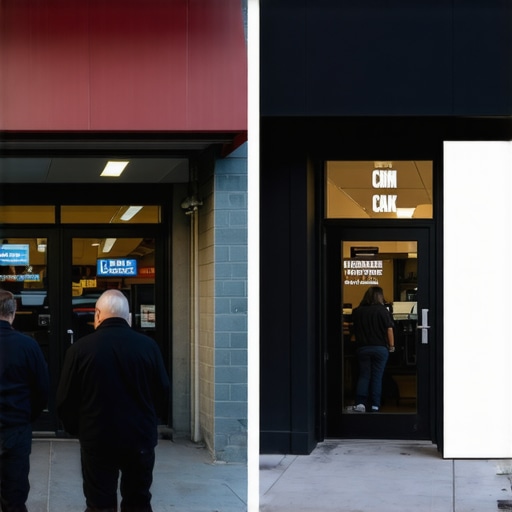
You cannot always delete customer photos immediately, but you can bury them. Google’s algorithm prioritizes recent, high-quality images that people actually interact with. To win the war of perception, you must upload the specific photo types that trigger immediate ranking signals. This means crisp exterior shots of your building, bright interior photos that show a clean environment, and action shots of your team. I recommend a 5:1 rule: for every one bad customer photo you cannot remove, upload five stunning, high-resolution shots. This forces the “junk” to the bottom of the pile where no one clicks. This is one of the most effective maps optimization tactics from visibility pros that provides an immediate lift in engagement.
How to Fight Back When Google Says No
If a photo actually violates policies—maybe it is irrelevant, off-topic, or poor quality—flagging it is your primary weapon. But do not just hit the flag button and hope for the best. You need to be tactical. Most owners give up after one try, but google map experts know that persistent, well-documented reports are what actually move the needle. If you are stuck in a support loop where your requests are ignored, you might need to use techniques to bypass the standard support loop. I have seen businesses get stuck for months with misleading imagery because they relied solely on the automated flagging system without following up through the right channels.
Match Your Visuals to Your Actual Service Area
One mistake I see constantly is businesses using the same three generic photos for every location. If you want to rank in a specific neighborhood, your photos should reflect that reality. This helps bridge the signal gap stopping you from ranking in nearby zip codes. If you are a service-area business, show your truck in front of recognizable street signs or local landmarks in your target areas. This proves to the algorithm that you are active and relevant in that specific geography. It is a simple move, but it is one of those moves our optimization team uses to fix stagnant profiles. When your photos match the physical reality of where you work, the trust signals go through the roof, and the map pin starts moving in your favor.
Let’s dig deeper into what actually moves the needle when the basic checklist isn’t enough. Most gurus will tell you to go out and buy every citation available. I’m here to tell you that’s a recipe for disaster. If your data isn’t perfectly aligned, you’re just paying to confuse Google’s algorithm. This is the truth about why your citations are actually hurting your local rank. When our maps optimization team audits a struggling profile, the first thing we usually find is a mess of outdated addresses and phone numbers across low-tier directories that should never have been touched. You must stop wasting money on citations that never move the pin if you want to see real growth.
Is proximity still the most important ranking factor?
Many business owners feel handcuffed by their physical location. They think if they aren’t in the center of the city, they can’t rank. However, the Whitespark 2023 Local Search Ranking Factors study highlights a massive shift toward behavioral signals. In my experience, high-quality interaction—like people clicking for directions or calling from your listing—can often override the distance gap. This is why you need to focus on the interaction moves that actually matter for dominating the local map pack. It’s not just about where you are; it’s about how much the searcher trusts you once they find you.  Then there is the ‘Oops’ factor that I see even seasoned marketers fall for: keyword stuffing the business name. It’s tempting to change your name to ‘Best Plumber Near Me’ just to catch the search traffic. But google map experts will tell you this is the fastest way to get a hard suspension. Google has become incredibly aggressive with its naming policies. Instead of risking your entire digital presence, focus on how to build trust signals that actually move your map pin without breaking the rules. Why your business name shouldn’t be stuffed with keywords is a lesson best learned before the suspension notice arrives. Have you ever fallen into the trap of trying to game the system with a fake business name? Let me know in the comments. The real nuance lies in identifying hidden signal gaps that stop storefront growth. It’s rarely one big thing that keeps you out of the three-pack; it’s a dozen small technicalities, from why your local schema is ignoring your actual service area to how you handle static business data. If you are ready to fix these issues, we are here to help you unlock local visibility with expert map optimization strategies that actually deliver calls.
Stop Your Rankings From Sliding Backward
I’ve seen too many businesses hit the top of the three-pack, celebrate with a steak dinner, and then ignore their profile for six months. The result is always the same: they vanish. Google loves what I call ‘freshness signals.’ If you stop providing new data, the algorithm assumes you’ve either closed your doors or simply stopped caring about your customers. This is the brutal reality of why static business data is the quickest way to lose your local three-pack spot. You cannot treat your map listing like a ‘set it and forget it’ billboard. It is a living, breathing digital storefront that requires a steady pulse of activity to stay relevant in the eyes of the maps optimization team at Google.
How do I keep my map position steady month after month?
The secret isn’t a one-time ‘hack’; it is about preventing what we call search decay. You need to stop search decay on your business profile by treating it like a localized social media feed. I personally recommend a ‘bi-weekly heartbeat’—upload two fresh, geotagged photos and one business update every single week. It doesn’t have to be a professional production. A quick snap of a satisfied customer or a new piece of equipment shows the algorithm that you are active. When google map experts talk about ‘consistency,’ this is what they mean. It’s about proving your business is the most active and reliable option in your specific neighborhood at any given moment.
Tools That Actually Tell You the Truth
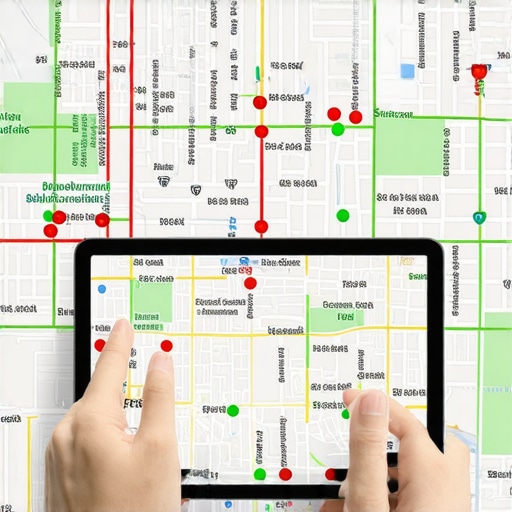
I don’t rely on the basic Google Business Profile dashboard because it often smooths over the rough edges. To get real visibility improvement, I use specialized grid-tracking software. I personally live in Local Falcon’s grid reports. Why? Because a single ranking number is a lie. You might be #1 at your front door and #12 just three blocks away behind a competitor’s building. This is one of the specific SEO tools we use to jumpstart map rankings because it visualizes the ‘heat’ of your visibility across a whole city. If you aren’t looking at a grid, you are flying blind. When our maps optimization team audits a client, the first thing we do is pull these grid reports to find the ‘dead zones’ where the business should be ranking but isn’t.
The Coming Shift Toward Live Video Verification
Looking ahead, I predict that static photos will soon become secondary to ‘Live Look’ video snippets. Google is already leaning heavily into short-form video in its search results, and the Google Merchant Center technical documentation emphasizes the move toward near-real-time inventory and availability signals. In the near future, visibility experts will likely be advising you to post 10-second ‘proof of life’ videos to maintain your spot. If you want to stay ahead of the curve, start experimenting with ‘video updates’ now. It builds massive trust and triggers interaction moves that matter most for dominating nearby results. If you’re struggling to keep up with these shifts, don’t wait until you’ve dropped off the first page—audit your ‘Products’ section today and make sure every item has a unique, high-res photo attached to it.
Lessons That Cost Me Thousands Before I Fixed My Map Presence
Looking back, I realized that my biggest mistake wasn’t a lack of effort; it was focusing on the wrong signals. I used to think that just ‘existing’ on the map was enough. I learned the hard way that Google doesn’t just want data—it wants proof of life. You have to change one critical setting in how you handle your updates to ensure they actually stick and drive ranking velocity. Another hard lesson? One bad customer photo can do more damage than ten 5-star reviews can fix. You have to be the proactive curator of your own brand, or the internet will do it for you, often with disastrous results for your bottom line.
The Exact Tools That Keep My Clients Above the Fold
If you want to move the needle, you need data that goes beyond the standard Google Business Profile dashboard. I live and breathe in Local Falcon because its grid tracking shows you the reality of your visibility improvement across the whole city, not just at your office door. I also recommend keeping the Whitespark Local Search Ranking Factors study bookmarked; it is the gold standard for knowing which ‘moves’ actually count each year. Finally, don’t ignore the Google Merchant Center technical guides if you carry physical products—linking your local inventory is a massive signal that helps you beat national brands that have ten times your marketing budget.
#IMAGE_PLACEHOLDER_E#
Take Back Your Digital Storefront Today
You have all the pieces now. From scrubbing the ‘ancient sandwiches’ out of your gallery to building a consistent heartbeat of fresh, geotagged content, the power to rank is in your hands. Don’t let your profile become a static ghost town that pushes customers toward the guy across the street. Start small—upload three new high-resolution photos today and watch how the algorithm responds to the activity. If you are tired of seeing high map impressions that never turn into phone calls, it is time to stop guessing and start applying these professional-grade tactics. You have worked too hard on your business to let a messy digital presence hold you back from the growth you deserve. Your journey toward total local dominance starts with that very first clean-up move. Which photo on your profile are you going to delete first—the blurry storefront shot or that outdated interior pic from five years ago? Let me know in the comments below!